
Hair restoration can seem like a daunting journey, especially when understanding the costs involved. With so many factors at play, from the extent of hair loss to the technique used, prices can vary widely. You might find yourself wondering why one clinic charges significantly more than another or what influences these price tags. For those looking into options, understanding hair transplant cost Perth is essential in making an informed decision. Let’s dive into the major elements that shape pricing and help you move forward with confidence.
The Extent of Your Hair Loss
The extent of your hair loss has a critical role in determining the cost of restoration treatments. If you’re experiencing mild thinning, your needs will differ from someone facing advanced baldness. Clinics often assess the severity through specific grading systems, like the Norwood Scale for men or the Ludwig Classification for women. These evaluations help guide treatment options and ultimately influence pricing. More extensive hair loss usually requires more sessions or a broader area to cover, leading to higher costs. Patients with greater hair loss might also require different techniques that can further affect expenses.
The Technique Used
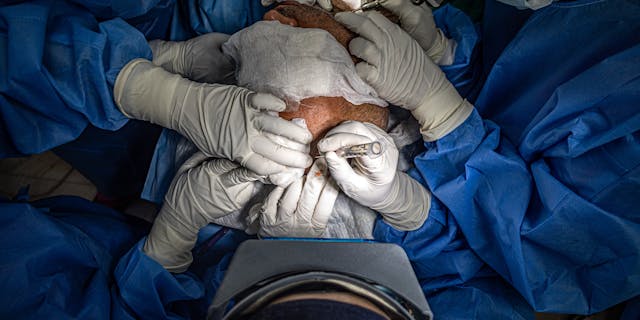
The technique used in hair restoration plays a significant role in determining the cost. Different methods cater to various needs and levels of hair loss, each with its price tag. Follicular Unit Extraction (FUE) is one popular option. It’s minimally invasive, allowing for quicker recovery times, but due to the precision involved, it may come at a higher expense. On the other hand, Follicular Unit Transplantation (FUT) can be more affordable. This method involves eliminating a strip of scalp, which might result in more noticeable scarring. Some clinics also offer advanced techniques like robotic-assisted surgeries or PRP therapy alongside traditional methods. These innovations can enhance results but often increase overall costs as well.
The Clinic’s Reputation and Expert
The reputation of a hair restoration clinic plays a crucial role in determining its pricing. Clinics that have built a solid name through years of successful procedures often charge more. This is because of their proven track record and their trust with patients. Experience also matters significantly. Surgeons who have honed their skills over many years typically command higher fees. Their expertise can lead to better outcomes, which many patients are willing to pay for. Testimonials and reviews from past clients provide insight into the quality of care offered by a clinic. Positive feedback reflects satisfaction and helps potential customers gauge what they can expect during their treatment journey. Accreditation and certifications further enhance a clinic’s credibility, influencing both patient choice and cost structure. A well-respected facility may justify its prices based on these qualifications alone, showcasing a commitment to high standards in hair restoration services.
Location and Demand
Location has a critical role in determining the price of hair restoration. Urban centers often have higher costs for procedures than rural areas. This disparity stems from factors such as living expenses and competition among clinics. In bustling cities, demand tends to be greater due to a larger population seeking solutions for hair loss. As more people look for treatment options, prices can rise accordingly. Clinics may capitalize on this demand by charging premium rates. Conversely, regions with fewer practitioners might offer lower prices due to reduced competition. Patients are sometimes willing to travel long distances if they believe they will receive high-quality care at a competitive rate.
Additional Services and Aftercare
Choosing a hair restoration procedure often involves an array of additional services, which can significantly impact the overall cost and experience. Many clinics offer pre-operative consultations to assess your needs and expectations. This personalized approach sets the stage for better outcomes. Some facilities provide advanced imaging technology, allowing you to visualize potential results before committing. Aftercare is just as important as the procedure itself. Follow-up appointments ensure that healing progresses smoothly. Specialized treatments like PRP (platelet-rich plasma) therapy may be recommended to enhance growth post-surgery. Support packages, including medication or topical solutions, can also be part of your journey. Understanding these extras helps budget accurately while ensuring comprehensive care throughout your hair restoration process.
Conclusion
When considering hair restoration, it’s essential to remember that various factors determine the price. The extent of your hair loss significantly impacts costs. More extensive bald patches may require more intricate procedures and time, increasing expenses. The technique used for restoration also plays a vital role. Innovative methods like Follicular Unit Extraction (FUE) or Platelet-Rich Plasma (PRP) therapy usually come at a premium compared to traditional options. The clinic’s reputation cannot be overlooked either. Established clinics with skilled professionals often charge more because of their proven track record and high patient satisfaction rates. Location is another crucial factor; prices typically vary based on geographical demand and living expenses in that area. Don’t forget about additional services and aftercare packages provided by clinics. These can include follow-up consultations, medications, or special treatments that contribute to overall success but will affect the total cost.