

If you’ve ever struggled to breathe through your nose at night, you know how sleep can quickly turn into a battle. What starts as simple congestion may actually point to sleep apnea. Many patients are surprised to learn that the two are closely connected. ENT Specialist Singapore can provide clarity and real solutions for those restless nights. Sinus issues don’t just make you snore. They restrict airflow, force mouth breathing, and disrupt oxygen balance while you sleep. Over time, this can lead to chronic fatigue, morning headaches, and even long-term cardiovascular strain. Understanding the link between sinus congestion and sleep apnea is about your overall health.
How Sinus Congestion Affects Breathing During Sleep
The sinuses are small cavities that play a big role in how you breathe. When these passages become inflamed or blocked, airflow is restricted, forcing you to breathe through your mouth. That’s where the trouble starts. Mouth breathing can dry out your throat and increase snoring, setting the stage for sleep disturbances. Chronic sinus congestion can also make your nasal tissues swell, further reducing airflow. This creates a feedback loop: poor breathing leads to poor sleep, which worsens inflammation. If you wake up feeling like you haven’t rested, even after eight hours in bed, congestion could be quietly sabotaging your sleep quality.
The Overlap Between Sinus Blockage and Sleep Apnea
Sleep apnea happens when your airway collapses or becomes obstructed during sleep. For many people, sinus congestion acts as a trigger. The restricted airflow causes breathing pauses that jolt the body awake repeatedly throughout the night. It’s like hitting a stop-and-go pattern for your oxygen supply. Left untreated, this cycle can impact your blood pressure, metabolism, and mood. Some studies suggest that clearing sinus issues, through medical treatment or surgery, can significantly reduce apnea symptoms. So while the connection isn’t always obvious, it’s definitely there, and worth addressing.
Visiting an ENT Specialist in Singapore
If you’ve been struggling with chronic congestion, snoring, or daytime sleepiness, visiting an ENT can be a game-changer. A qualified specialist can evaluate structural issues, allergies, or infections that may be affecting your sinuses. They use diagnostic tools like nasal endoscopy or imaging to pinpoint exactly what’s blocking your breathing. In Singapore, ENT clinics often combine advanced technology with personalized care to provide targeted solutions. Treatments may include medication, nasal sprays, or minimally invasive procedures to clear blockages. Consulting an expert doesn’t just ease your congestion, but it can restore your sleep, energy, and confidence.
Simple Habits to Support Clearer Breathing
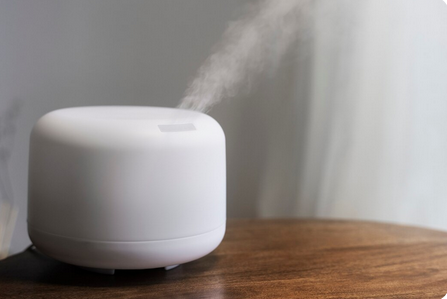
While medical treatment plays a big role, some lifestyle tweaks can make a difference too. Keeping your bedroom air moist with a humidifier can prevent dryness and reduce nasal irritation. Hydration matters as well. So, drink plenty of water to help thin out mucus. You can also try sleeping with your head slightly elevated. This helps your sinuses drain and reduces snoring. And if allergies are the culprit, consider switching your bedding more often or using hypoallergenic pillow covers. Small changes like these can give your sinuses a break, and your sleep a serious upgrade.