
Top Factors that Affect Drug Reactions
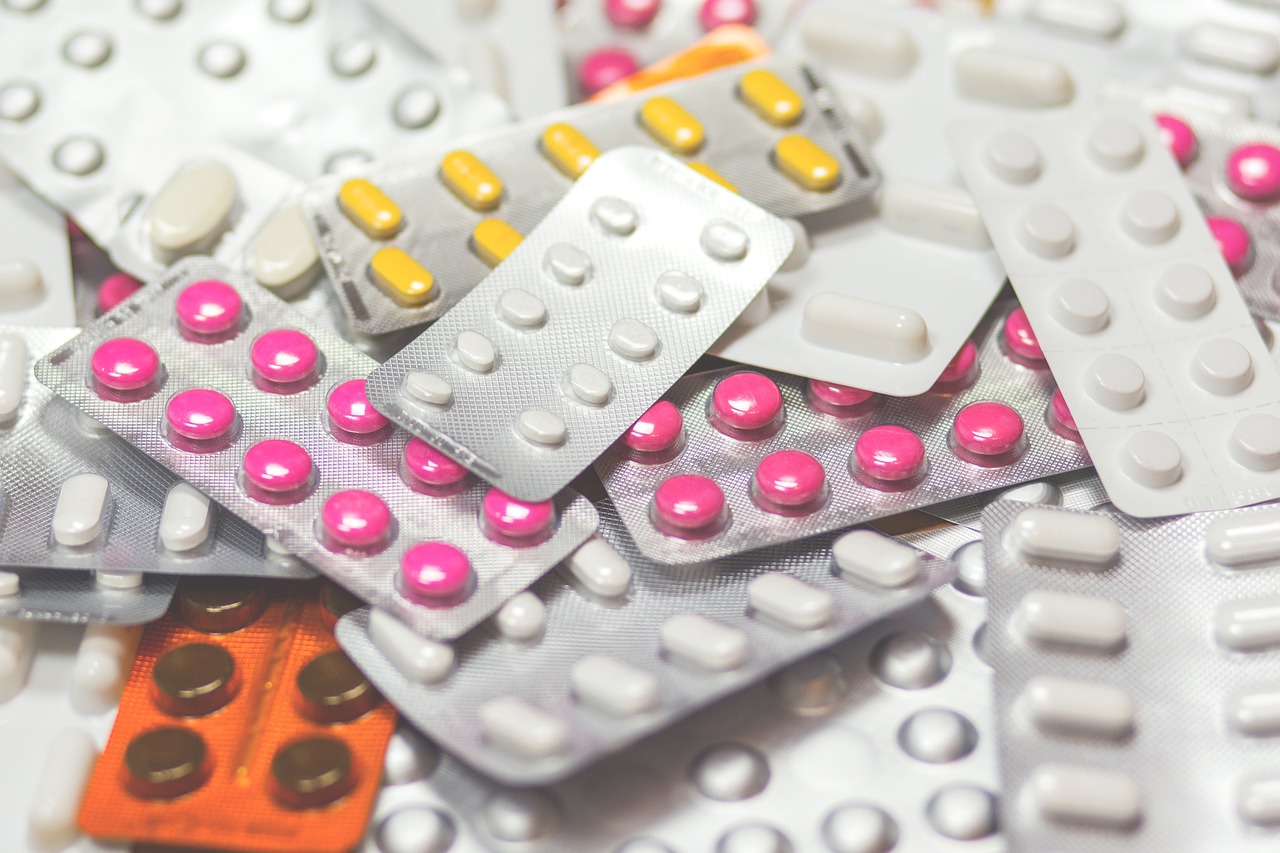
Are you one of the many people who have experienced unexpected reactions to medication? Have you ever wondered why a drug that worked wonders for your friend didn’t work the same way for you? The truth is several factors can affect how our bodies react to drugs. On the other hand, when purchasing medications, you must get them from reliable pharmacies. Here, we will explore the top factors that affect drug reactions.
Genetics
 Our genes determine a lot about who we are, including how our bodies react to medication. Some people may have genetic variations that affect the way their liver processes drugs or how they absorb medications into their bloodstream. These differences can lead to unexpected side effects or even render certain drugs ineffective. One example of genetic variation is in the CYP2D6 gene, which helps break down many commonly prescribed medications. People with certain variants of this gene may metabolize drugs differently than those without the variant, leading to different efficacy and toxicity levels. However, it’s important to note that genetics is just one piece of the puzzle regarding drug reactions.
Age
Age is one of the top factors that affect drug reactions. As we age, our bodies change in many ways, including how they process medications. Older adults tend to have a slower metabolism, which means drugs take longer to be broken down and eliminated from the body. This can lead to a buildup of medication in the system and an increased risk of side effects. Additionally, aging can cause changes in organ function, such as liver and kidney damage, impacting how drugs are metabolized and excreted. Healthcare providers need to consider a patient’s age when prescribing medications because older adults may require lower doses or different types of drugs altogether.
Diet and Nutrition
Diet and nutrition are important factors that can affect how a person’s body reacts to drugs. The food we eat contains various nutrients, vitamins, and minerals that the body needs to function properly. However, certain foods can also interact with medications in different ways. For example, grapefruit juice is known to interfere with enzymes in the liver that break down some drugs. This means that taking medication with grapefruit juice can cause the drug to stay in your system longer than intended and may increase its side effects. On the other hand, consuming a diet high in fiber can help prevent constipation caused by some pain medications. Additionally, vitamin K-rich foods such as leafy greens like spinach and kale should be avoided if you’re on blood-thinning medications because they can interfere with their effectiveness.
Interaction with Other Drugs/Medications
 One of the top factors that affect drug reactions is interaction with other drugs or medications. It’s essential to discuss any prescription, over-the-counter medicines, vitamins, and supplements you’re currently taking with your healthcare provider before starting a new medication. When two drugs are taken together, they can interact in various ways. Some interactions may enhance the effects of both drugs, while others may decrease their …