What Weight Loss Supplements Actually Do Inside Your Body

Weight loss supplements often feel mysterious. Labels list ingredients most people can’t pronounce, and the promises sound bold. Many readers are interested in products, preferably Burn Slim, early in their research and wonder what is really happening after the capsule goes down. That curiosity is healthy. Understanding the internal process helps separate hype from reality. Your body is not a locked door waiting for a secret key. It reacts to chemistry, timing, and habits. Supplements influence certain pathways, but they do not rewrite biology. Once you know where those nudges land, smarter choices follow.
How Supplements Affect Metabolism and Fat Loss

Metabolism gets blamed for everything. A slow one feels like a stuck elevator. Some supplements target metabolic rate by stimulating the nervous system. Ingredients like caffeine or plant extracts can raise calorie burn slightly for a short window. This effect is usually modest. It does not turn rest days into marathon sessions. The body adapts quickly, which limits long-term impact. That is why supplements often feel stronger at first and quieter later. Metabolic support works best with movement. Muscles act like engines, even at rest. Supplements may add a spark, but fuel still matters. Without daily activity, the boost fades fast.
Energy Levels and Fatigue
Many people take supplements for energy, not fat loss. Fatigue often blocks exercise and motivation. Stimulant-based products raise alertness by acting on the central nervous system. The result can feel like a strong cup of coffee. This energy does not come from fat burning itself. It comes from stimulation. That distinction matters. Energy can help workouts feel easier, but it can also disrupt sleep if timing is poor. Sleep debt cancels progress. When rest suffers, hormones shift. Hunger rises and recovery slows. Energy supplements work best earlier in the day, paired with good sleep habits.
What Happens to Appetite and Cravings

Hunger is a loud signal. Some supplements aim to lower that volume. Fiber blends swell in the stomach and slow digestion. This can help people feel full sooner and snack less. Other formulas influence brain chemicals tied to reward. That may reduce cravings for sweets or salty snacks. The change feels subtle, like turning down background noise. It rarely shuts hunger off completely. Appetite control depends on routine. Irregular meals confuse signals. Supplements work better when meals are steady and balanced. They assist discipline, not replace it.
Digestion and Nutrient Absorption
Some supplements focus on the gut. Digestive enzymes help break down food more efficiently. Probiotics support a healthy bacterial balance. A calmer gut often leads to better consistency with meals. Improved digestion can reduce bloating. That change sometimes feels like fat loss, even when the scale weight stays steady. Comfort improves adherence. When the stomach feels settled, healthy eating feels less like a chore. These effects are indirect. They support the system rather than burning fat directly. Still, comfort matters. A plan that feels good lasts longer than one that feels punishing.
Weight loss supplements influence metabolism, appetite, energy, and digestion …

 Surfing is more than just a thrilling ride on the waves; it’s an incredible










 The type of endoscopy you may be getting can depend on which part of the body needs to be examined. For example, a gastroscopy is used to examine your esophagus and stomach, while a sigmoidoscopy looks at the rectum and lower colon.
 Though endoscopies are often used to diagnose health conditions, they can also be used as a treatment option in some cases. For example, an endoscope can be used to remove polyps from your colon or take biopsies of suspicious areas in your body. In addition, an endoscope equipped with tools can be used to perform certain surgeries, such as repairing a tear in the esophagus or removing kidney stones. As a …
 Acne is one of the most common skin conditions, characterized by pimples and blackheads clogging pores on the face, neck, chest, back, shoulders, and arms. It’s caused by excess oils, sebum, and bacteria. Symptoms may include red bumps, whiteheads, blackheads, cysts, and nodules.


 Now that you have established your goals, assessed your current fitness level, and chosen an exercise program, it’s time to decide how long you want your personalized workout plan to last. The program length will depend on a few factors, such as your fitness level and the type of goal you are trying to achieve. Generally speaking, most people find it beneficial to stick with a program for at least six weeks for the best results.
 Variety should also be incorporated into your personalized workout plan. Not only does it help keep you motivated, but it also encourages your body to adapt and grow constantly. Try adding different exercises, reps, and sets, as well as changing the order of your workouts so you can avoid getting too comfortable with any one routine.

 Finally, fat binders can also help with weight loss by binding to dietary. Carbohydrate blockers are supplements that help reduce the number of carbohydrates


 One of the most remarkable health benefits of fasting is giving your digestive system a break. When you fast, your body gets rid of toxins and impurities in the blood. Fasting also helps cleanse the colon and get rid of any accumulated waste in the body.
 A study published in the Journal of Lipid Research found that fasting can help to reduce cholesterol levels. LDL cholesterol is the “bad” cholesterol that can lead to heart disease. The study found that fasting reduced LDL cholesterol by 21 percent. Fasting also increases HDL cholesterol, the “good” cholesterol that helps protect against heart disease.
 Fasting has also been shown to boost brainpower. A study published in the journal PLOS One found that fasting increased cognitive performance and memory. The study found that fasting improved working memory and executive function. Another study found that intermittent fasting helped improve task switching ability and creative problem-solving.
 Exercise is essential for everyone, but it’s especially crucial for musicians. Playing an instrument can be taxing on your body, and spending long hours sitting down can lead to back problems and other issues. Taking some time to do some light exercise will help keep your body healthy and strong. Even something as simple as going for a walk or doing some stretches can make a big difference. A 30-minute walk a day can help improve your mental and physical well-being.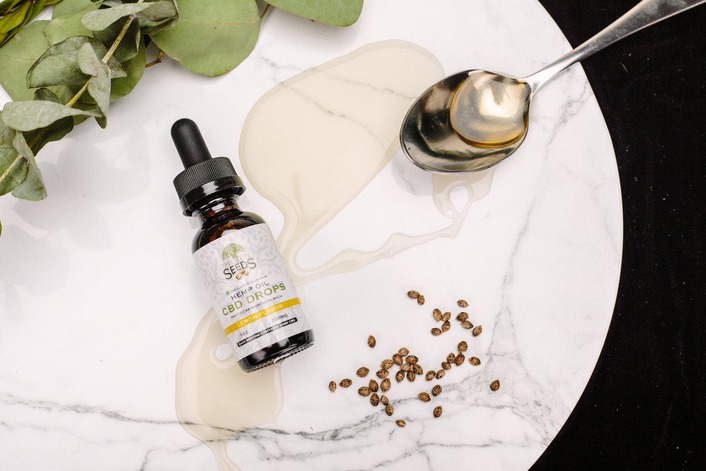
 CBD oil works in your body by interacting with the endocannabinoid system. This system regulates many different processes, including mood, appetite, and pain perception. CBD oil can help support this system’s function by stimulating the production of cannabinoids, which are natural compounds that help regulate various roles in the body.
 In the market, you can find various types of CBD oil. One of them is the full-spectrum CBD oil. This type of CBD oil retains all cannabinoids found in the hemp plant. Full-spectrum CBD oil also has a small amount of THC, which is the compound that is responsible for the psychoactive effects of marijuana. However, this amount is so low that it does not produce any psychoactive effects when consumed. Full-spectrum CBD oil is more effective than other types of CBD at treating some conditions, such as chronic pain and inflammation.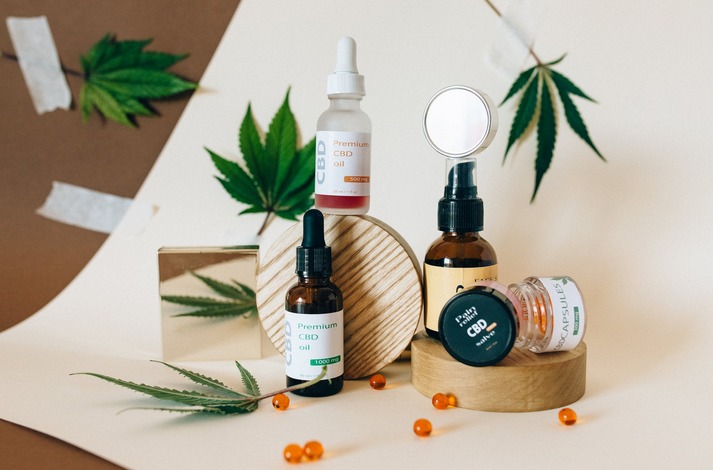
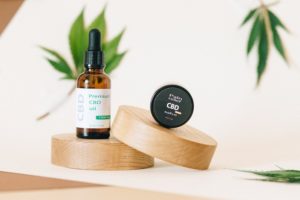 CBD oil can show a significant impact on relieving oxidative stress. This type of disorder is related to antioxidant properties. It results from the imbalance between the blood and the oxygen it contains, along with the free radicals. In short, free radicals can be unstable, and the individual cells always oxidize when an individual takes a breath in the atmosphere. This disorder can result in damaged organs over time. However, scientists have conducted some studies regarding the use of CBD oil to treat this disorder. The findings showed that it could boost the immune system and combat oxidative stress gradually.